
See the ring landscape as part of the safari
Pilanesberg geology gives the park a landscape context beyond its animal sightings. State tourism information describes eroded remains of an old volcanic complex, with rock bodies and a ring-shaped landscape. The word volcanic here is a description of ancient geological development, not a claim of a currently active volcano.
Combine the landscape interest with your safari itinerary or permitted driving route. The geological story does not create permission to climb every hill, leave the vehicle anywhere or walk freely across the wildlife area.
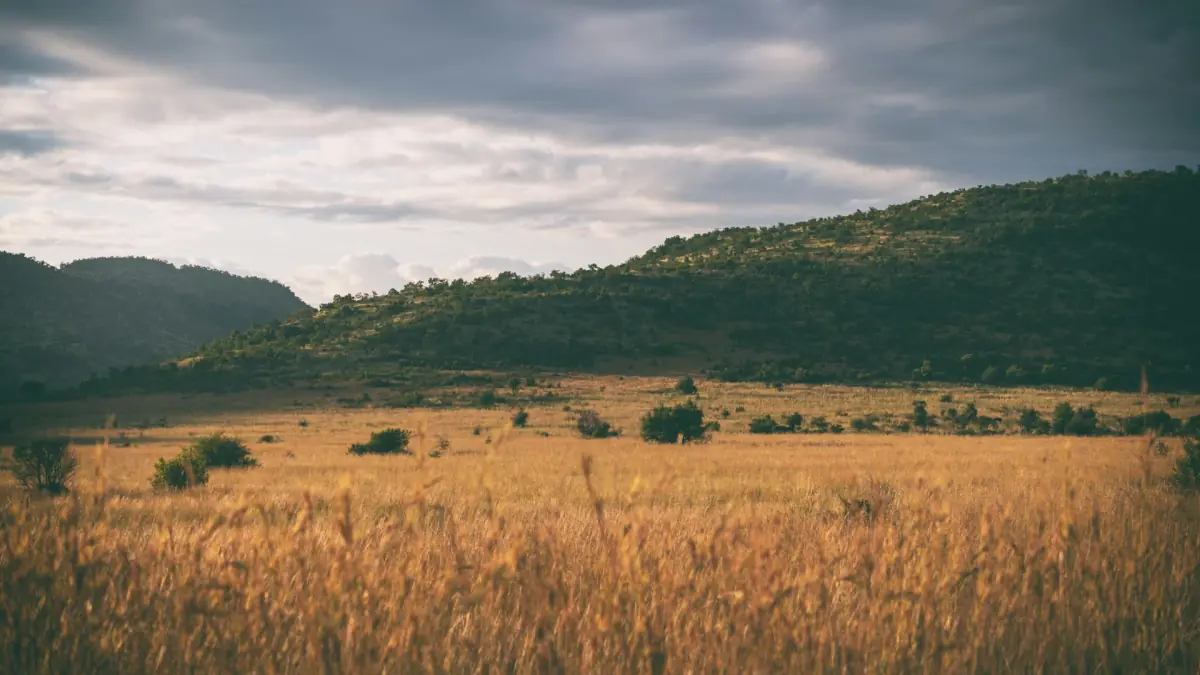
See the landscape on a guided drive
The park day is a general safari option, rather than a specialist geology tour.
Hand-picked tours, booked through GetYourGuide. Prices are indicative starting prices in US dollars (as of October 2026). Tap a tour for live availability and the current price in your currency.

What the newer rock dating says
A scientific study published in March 2026 describes the Pilanesberg complex and reports uranium-lead dates for silicate rocks converging around 1.4 billion years. That wording matters: the evidence concerns the dated rocks, not a single exact year in which every part of today's scenery appeared.
The same work discusses differing ages in carbonatite complexes and further questions for research. It would therefore be misleading to turn the approximate rock date into an exact eruption date for the entire landscape or claim that all visible units formed simultaneously.
Keep rock age and present shape distinct
The landscape is described as eroded remains. Its ring form is useful for understanding the scenery, while a modern viewpoint shows only the portion visible from that position. The visible hills help place the geological explanation within the safari, but their shape does not establish a visitor route through every ring or permission to cross the terrain.
Older visitor descriptions give several different age estimates. For the dated-rock statement here, use the newer research figure with its approximate scope rather than averaging those tourism numbers into a supposed single answer.
Mankwe and viewpoints within the visitor plan
Historical work describes Mankwe as an artificial reservoir within the ring landscape. It should not be labelled a volcanic crater lake simply because the surrounding terrain is volcanic. Likewise, a photograph from a named viewpoint does not confirm that every viewpoint or hide is currently open.
Follow the actual signs and permitted stopping arrangements. A geological point of interest is not a reason to invent a climbing route, an off-road drive or an unsupervised walk. For a planned route on foot, use the operator's expressly confirmed arrangements rather than inferring permission from a general landscape description.
Questions that make the scenery easier to understand
- Are you looking at a broad ring landscape or a small part of one hillside?
- Does an age statement refer to dated rocks or claim the age of every present landform?
- Is a water feature described as a reservoir rather than assumed to be a crater lake?
- Is the stopping place actually authorised for visitors?
- Does the chosen itinerary leave time for landscape observation as well as animals?
Use the wildlife guide for the separate question of animal interests. Different habitats make the landscape part of the visit even when a particular species does not appear. For the human story, the history page distinguishes park events from the much older rock record.
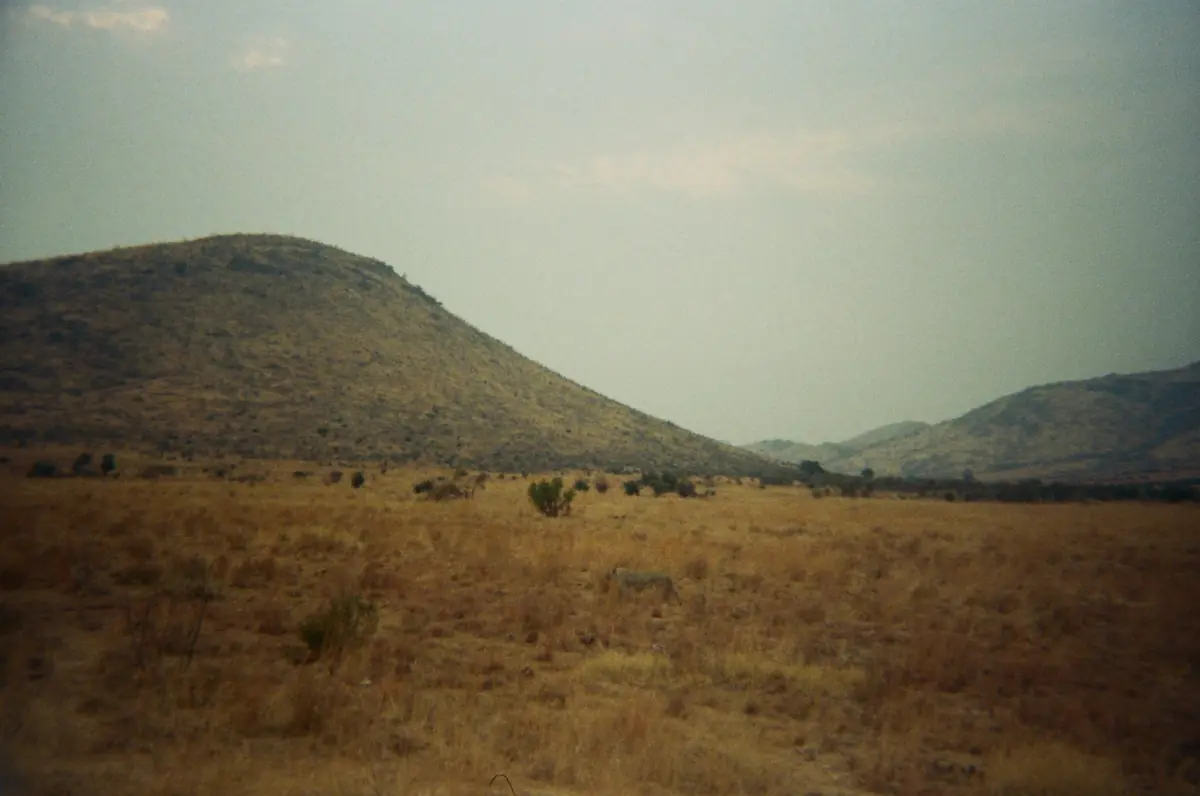
When photographing the hills, choose the composition available from an allowed position and keep the return journey within the gate plan. The aim is to connect a clear geological explanation with a permitted, practical visit, rather than turning the ring shape into an unconfirmed circuit that every visitor can traverse.
Questions for your visit
Is Pilanesberg an active volcano?
The visitor landscape is described as an ancient eroded volcanic complex. Do not interpret that as present volcanic activity.
Is every part exactly 1.4 billion years old?
No. The newer dating statement concerns particular silicate rocks and is approximate; it is not one exact age for all present scenery.
Can I walk or collect rocks anywhere?
The geology does not create visitor permission. Follow the actual route, stopping and access instructions rather than assuming free exploration.