
Separate the reserve story from the ancient landscape
Pilanesberg history contains several different starting points. Historical research places the formal nature-reserve designation in 1977, while South African Tourism associates 1979 with Operation Genesis and the visitor-era development story. These are different events, not dates to merge into one unqualified founding claim. Later administrative changes belong to another stage again.
The ancient rocks are a separate subject. Eroded volcanic landforms provide the setting, but the geological age of particular rocks does not describe the beginning of the modern reserve. The geology guide covers that deeper past. This page focuses on restoration, wildlife introductions and the human context of the protected area's development.
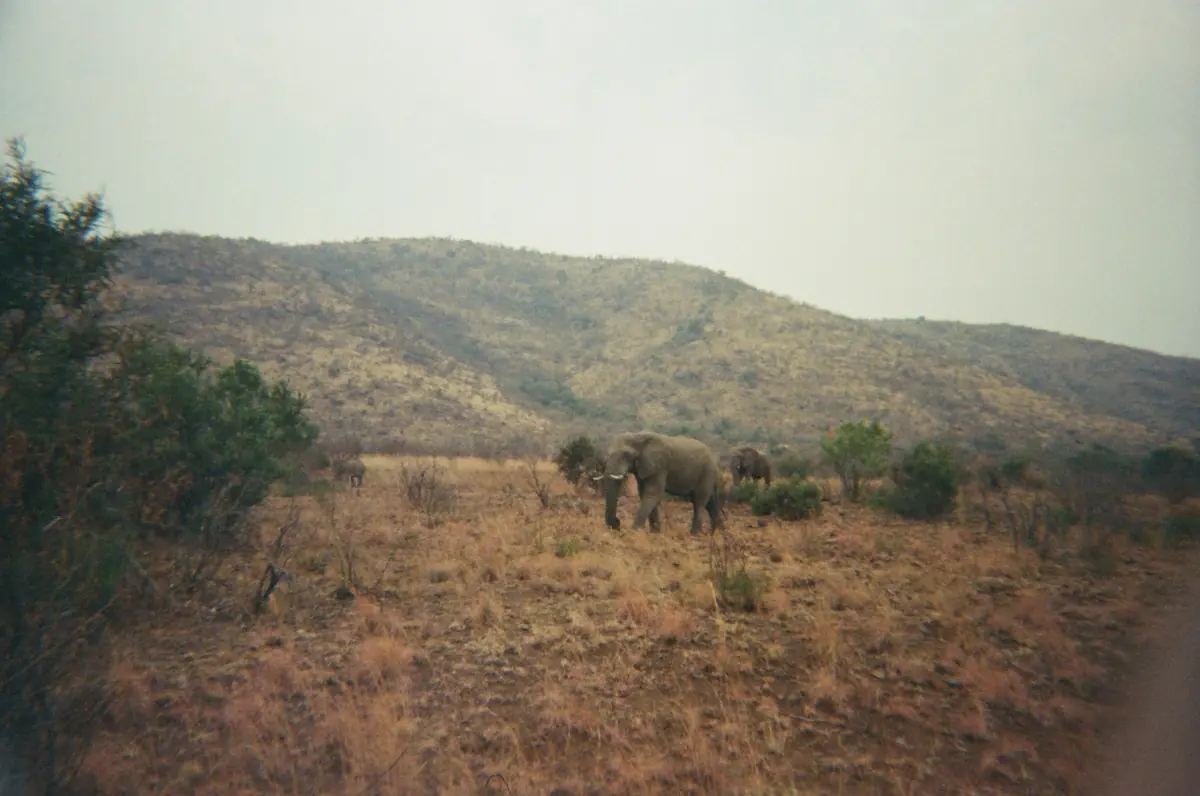
Visit the protected landscape
A guided safari offers a visit to the landscape discussed here.
Hand-picked tours, booked through GetYourGuide. Prices are indicative starting prices in US dollars (as of October 2026). Tap a tour for live availability and the current price in your currency.
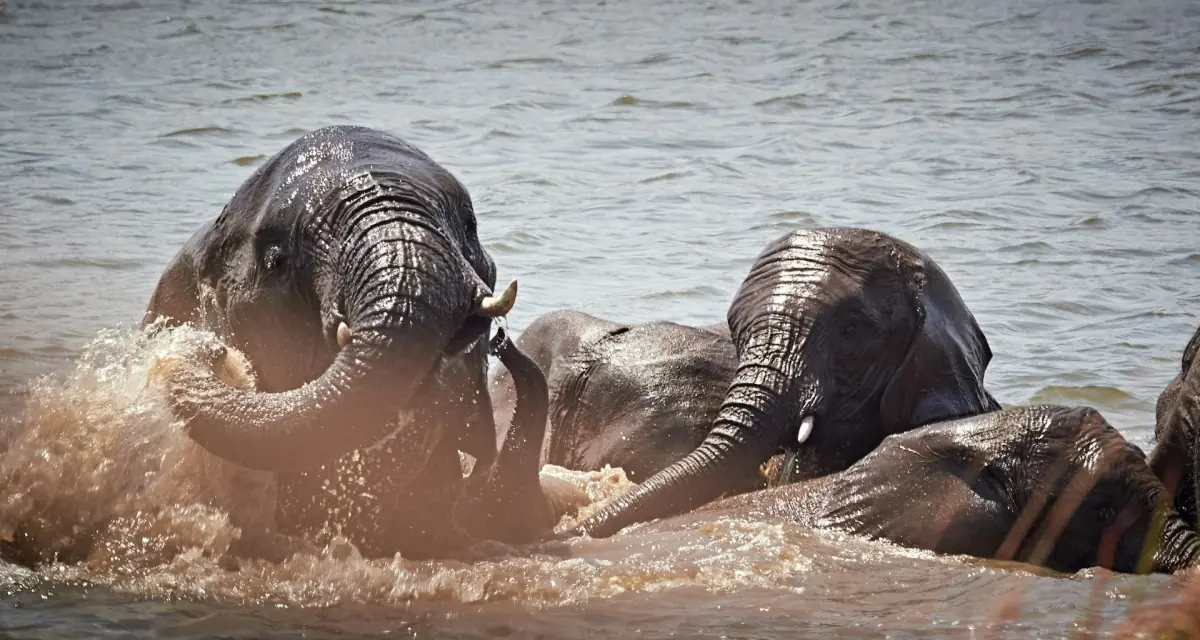
Compare Pilanesberg safaris
Compare local drives and longer outings, checking the departure, conservation fee and actual time in the park.
Operation Genesis and restoration
The official tourism account describes the restoration of former agricultural land and the introduction of nearly 6,000 animals from nineteen species during Operation Genesis. That scale helps explain the importance of the project. It is not an inventory of the animals alive in Pilanesberg today, and it does not establish a present-day sighting probability for a visitor.
Keep the introduction programme connected with its period. A historical movement of animals, a species recorded in the reserve and an actual encounter during a drive are different facts. The wildlife guide helps make that distinction for a visit. A safari can explore the setting of the conservation story without becoming a guaranteed demonstration of every species mentioned in the establishment account.
Community context and the development model
Historical research by Carruthers places the project in the political setting of Bophuthatswana and apartheid. It discusses displacement, lost uses of land and disputes involving promised compensation or revenues for Bakgatla communities. The landscape should not be described as an empty area restored without any human conflict or as a wholly voluntary project with an uncomplicated shared outcome.
Those are historical findings from a study published in 2011, not a current account of every land agreement or benefit arrangement. They provide necessary context for the early development story without inventing today's legal or financial position. A visitor can hold both the wildlife-restoration account and its human consequences in view. This is more useful than reducing the park's history to a single opening date or a tourism success slogan.
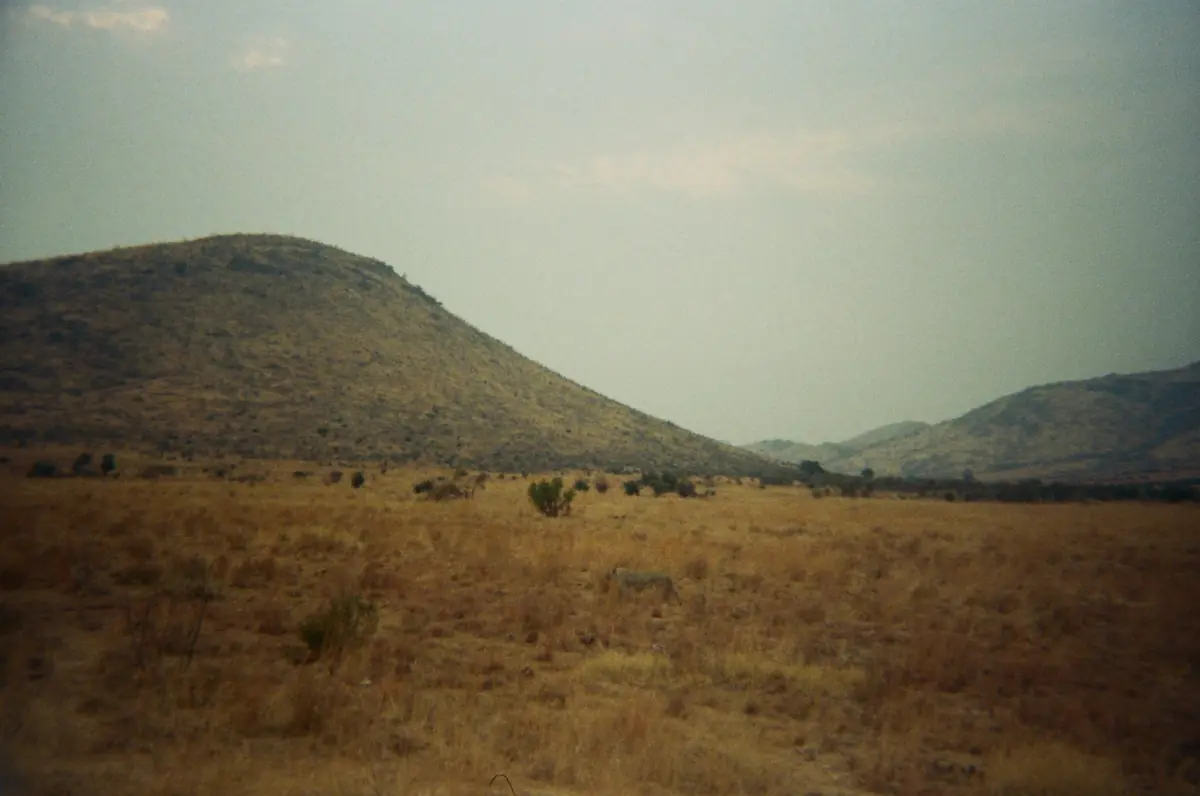
Administration, Sun City and the modern visit
The historical study describes development under Agricor and a later move to park administration in 1984. It also connects the early tourism model with the neighbouring resort of Sun City. That historic relationship does not make the resort and reserve one current admission product. A safari departing from Sun City, a room there and a park entry charge remain separate services to check.
The tour comparison explains the actual departures, while entry information distinguishes park and resort charges. For an overnight plan, use the accommodation guide and compare the real location and services. The history also does not establish current permission to walk on every hill, use an old route or enter a heritage site without checking access. Keep the past attached to its events, and plan today's visit from the applicable booking and park instructions.
Questions before your visit
Was Pilanesberg founded in 1977 or 1979?
The dates refer to different events in the available accounts: formal reserve designation in 1977 and Operation Genesis or visitor-era development from 1979. State the event when using a year rather than treating the dates as an unexplained contradiction.
Are the nearly 6,000 introduced animals a current population?
No. That is a historical project figure for Operation Genesis, along with the nineteen species in the tourism account. It is not a census from 2026 and should not be used to calculate present-day wildlife numbers or encounter chances.
Was the reserve created on an empty landscape?
The historical research describes agricultural use, communities and disputed consequences in the Bophuthatswana and apartheid setting. Do not erase that context with a claim of empty land or a completely conflict-free development project.
Does the historical link include Sun City entry today?
No. A historical tourism relationship is not a current service inclusion. Read the specific safari, room and admission arrangements. Park entry, resort access and a transfer can be separate charges even when the places are closely connected in a travel programme.